Intelligent machines working together with purpose-specific sensor technology can harness polymer streams that have fluctuating material properties. The advantages offered by these systems can be enhanced even further if the relevant quality data is applied for the full length of the stream, from washing and extrusion through to production.
The original German-language article was published by Circular Technology on 1 October 2026: https://circular-technology.com/qualitaet-entsteht-entlang-einer-durchgaengigen-datenkette/
Text: Philipp Lubos
Late summer saw a discussion take place at EREMA in Ansfelden between Johannes Kilian, Vice President Process and Application Technology at ENGEL, Markus Huber-Lindinger, Managing Director at EREMA, and Georg Krenn, Managing Director at Lindner Washtech, concerning the role of digitalisation in producing consistent quality recyclates, and the parameters needed to achieve consistent results during production.
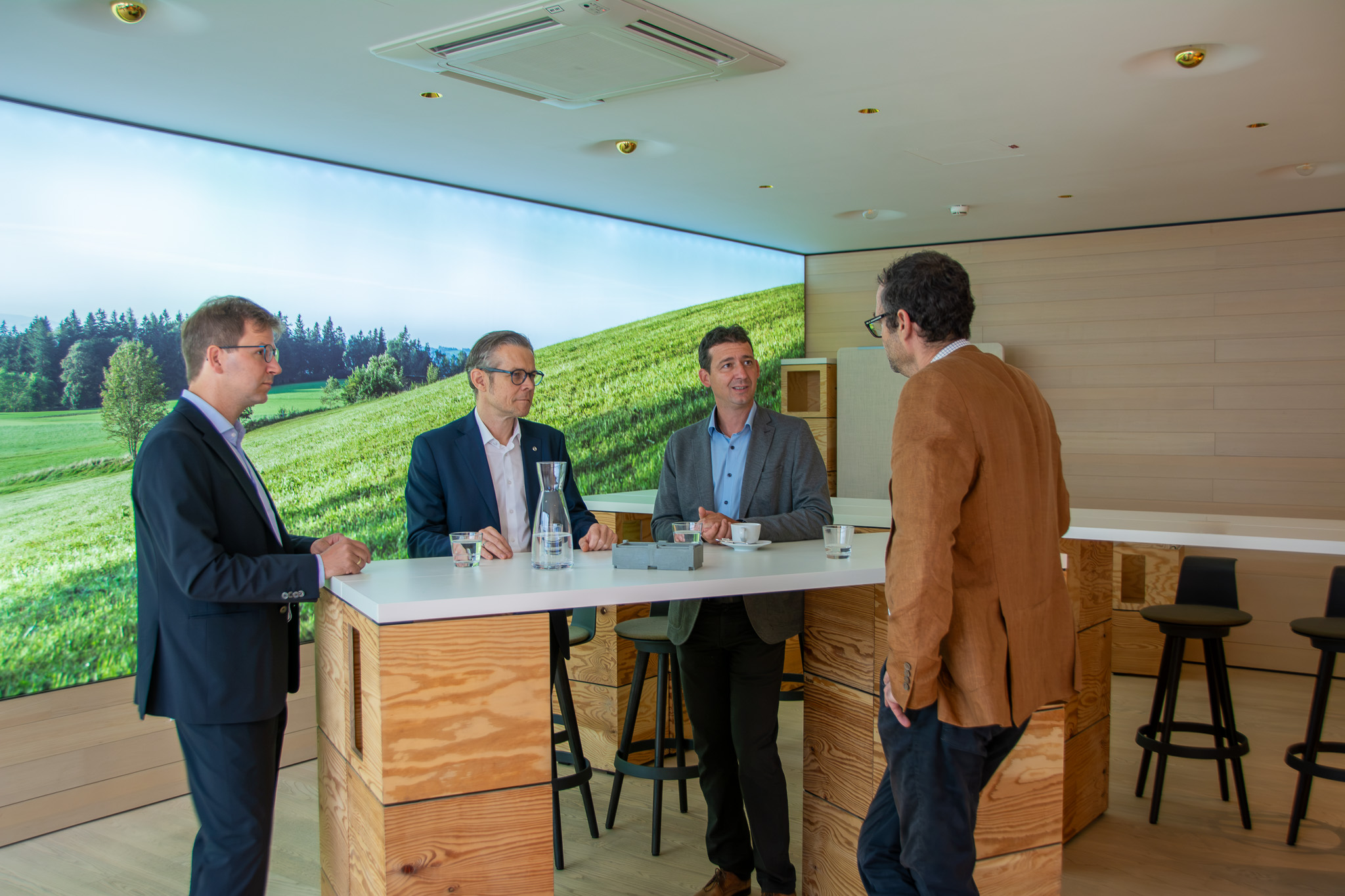
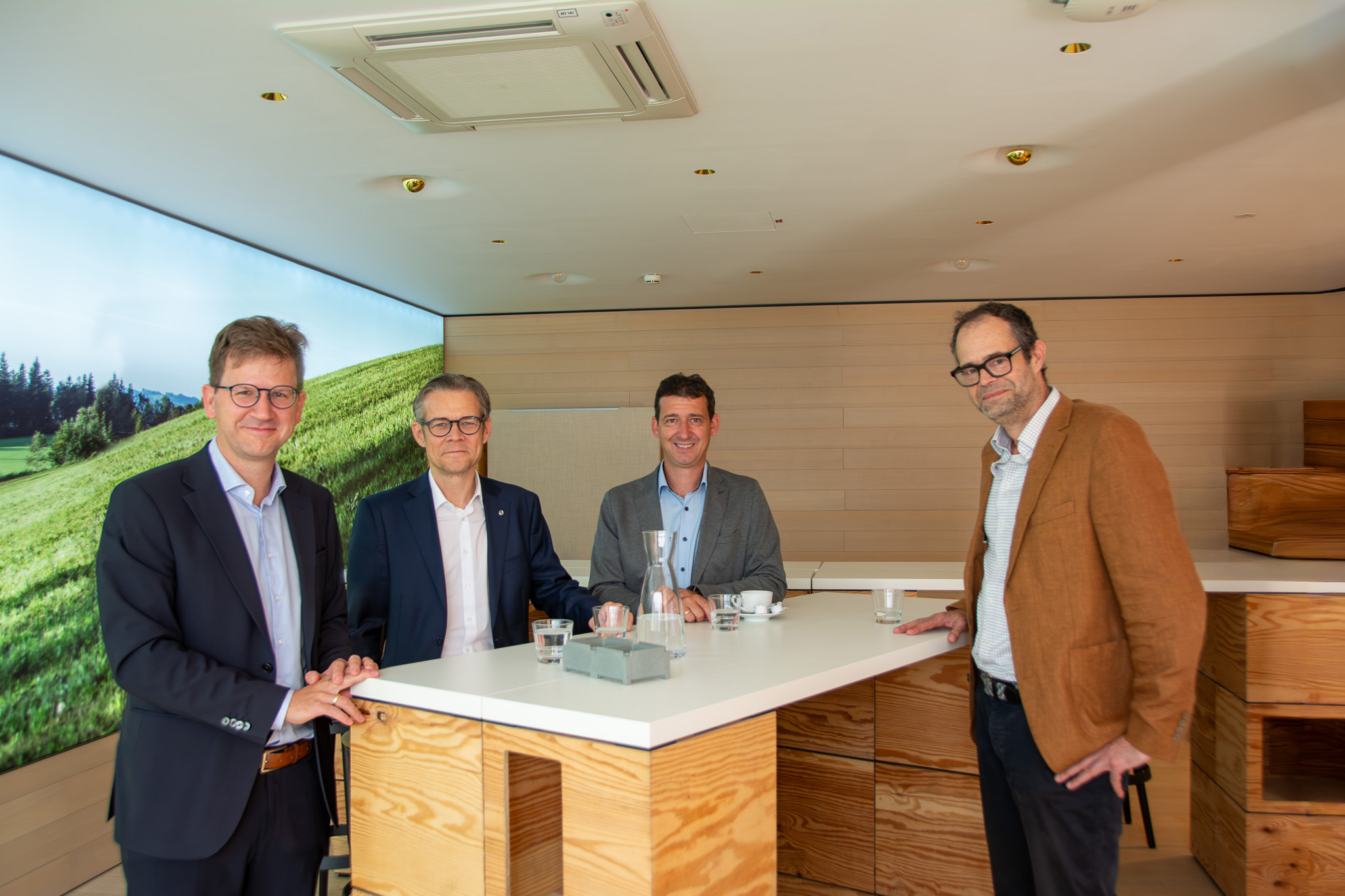
Panel of experts in discussion at EREMA in Ansfelden (from the left): Johannes Kilian, Markus Huber-Lindinger, Georg Krenn, and moderator Philipp Lubos.
“The injection moulding machine doesn’t even know whether it’s polyamide or polypropylene,” says Johannes Kilian from ENGEL. It works solely with the parameters it is given. This poignant observation highlights a key weakness in plastics processing, because although a high volume of data can be collated at each individual stage of the process, the next stage often receives only the material, not its history.
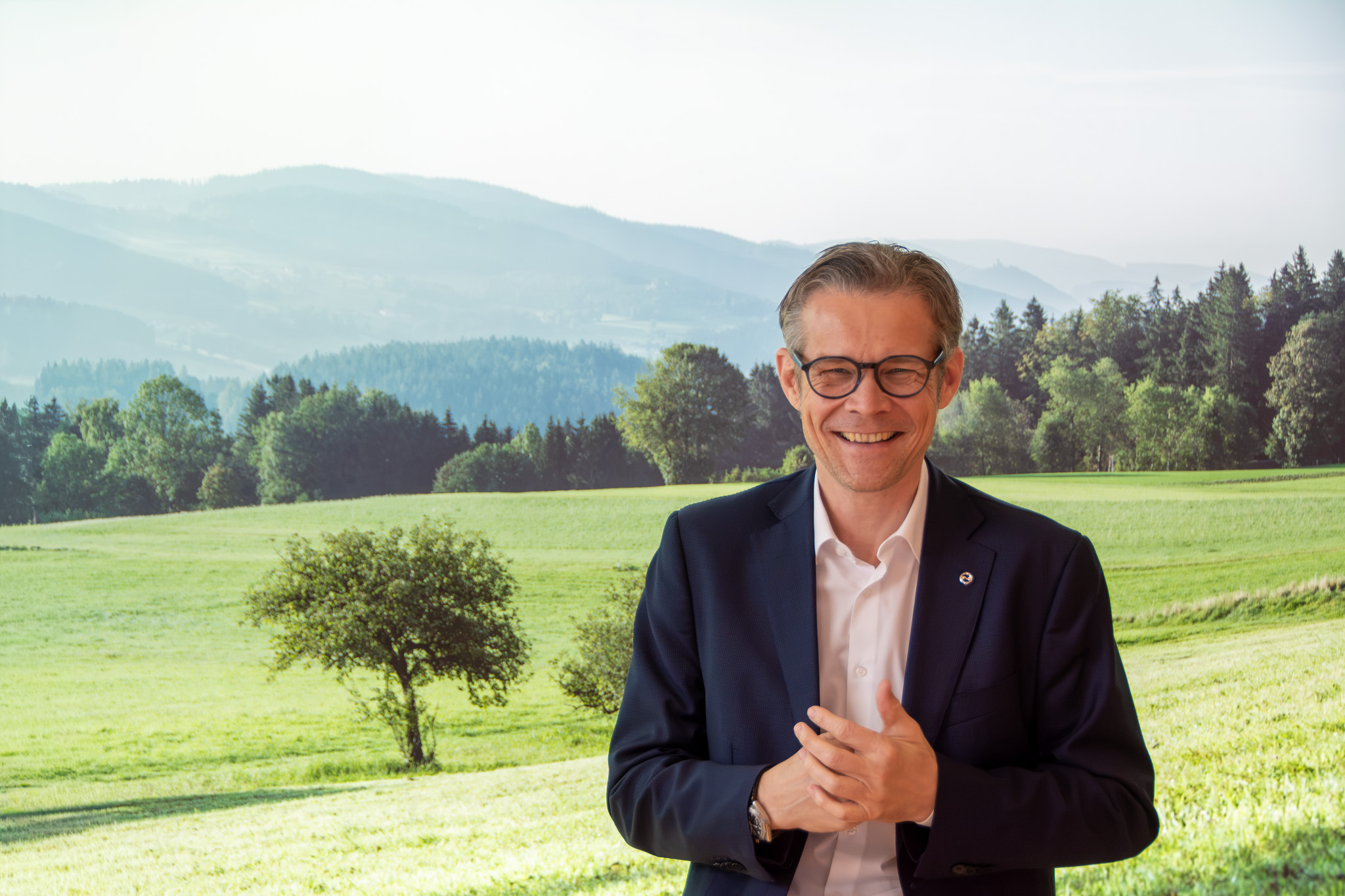
Markus Huber-Lindinger, Managing Director at EREMA, explains the significance of end-to-end data acquisition for consistent and controllable recycling processes.
The consensus is that one machine on its own is not able to guarantee consistent quality of recyclates and components. Quality is achieved as a result of a combination of material stream, shredding, sorting, washing, extrusion, pelletising, and production. At the moment, however, there are still gaps in the data chain needed to do this.
Digitalisation means far more than simply automating a machine. Johannes Kilian says that it also includes the mapping of business processes, the acquisition and analysis of data, artificial intelligence, and the transfer of data between machines and companies. Not every company or product needs the same tools. A digital product passport, for example, is not necessary for every application. Modern production processes can function just as well without them. The stages in a recycling chain, on the other hand, gain an advantage if exactly the information they need is made available to them.
In plastics recycling, assessing individual process steps tells us very little. The panel of experts agree that the chain begins as soon as the material is collected from the consumer. The source, the collection system, and the sorting process, shape the material stream before it reaches a shredder or a washing plant. What follows is drying, extrusion, filtration, and pelletising. The final production stage involves film extrusion or injection moulding, for example. Each stage can amplify or reduce fluctuations in quality, and even introduce new contaminants.
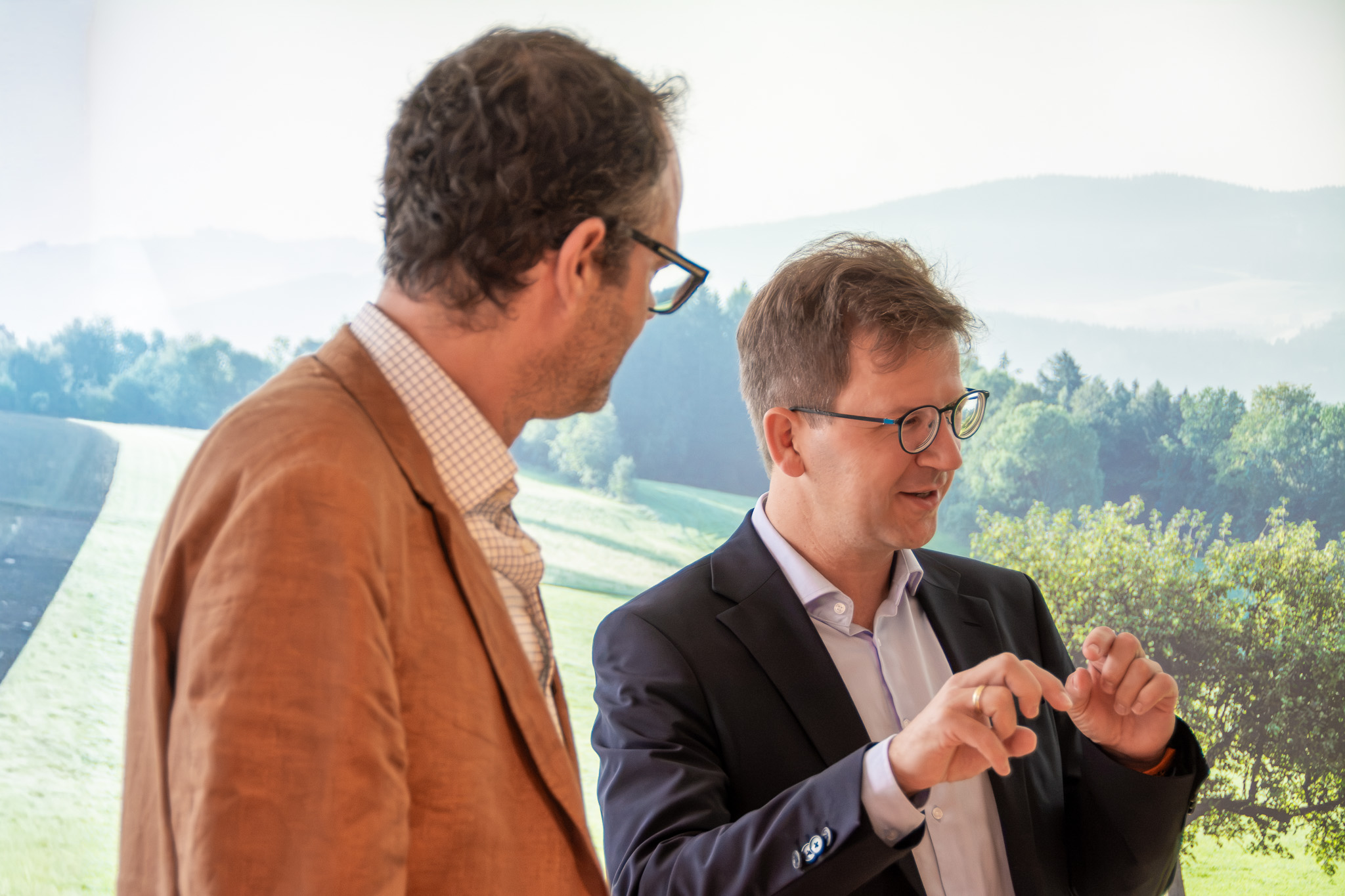
Johannes Kilian, Vice President Global Process and Application Technology at ENGEL (right), is familiar with the challenges involved in processing recyclates for the production of high-quality plastic components.
The starting point is the source material. Post-consumer waste varies according to its origin, composition, impurities, and pre-treatment. Any fluctuations are carried forward through the process chain. That is why as far as Georg Krenn is concerned, digitalisation begins with material stream management, rather than simply with controlling the extruder. “The quality of the material upstream has a major influence on the results achieved by the chain downstream. The material properties of a stream are predetermined, so even the best machine reaches its limits at some point," says Georg Krenn.
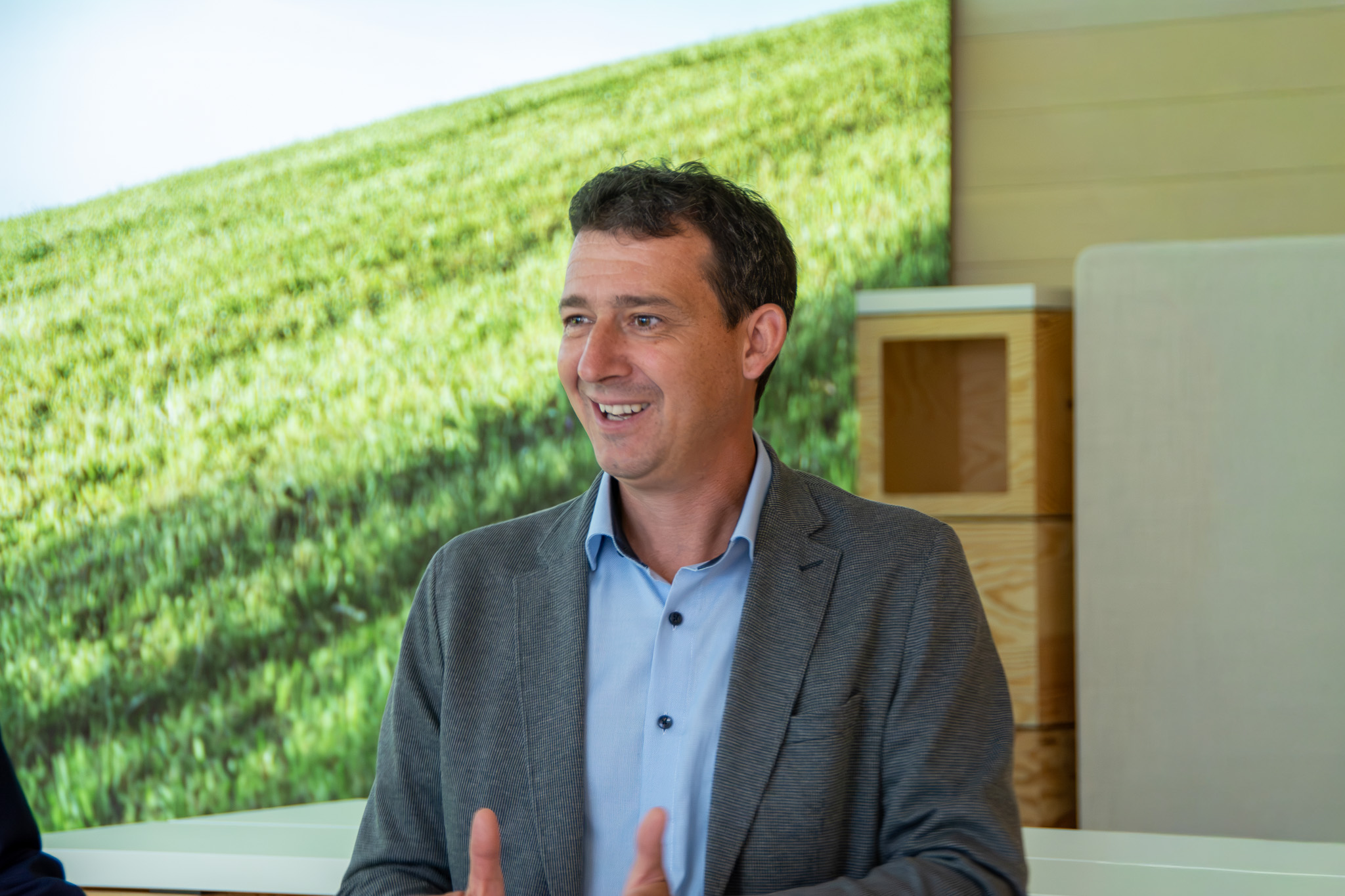
Georg Krenn, Managing Director of Lindner Washtech, underlines the importance of digitalisation for material stream management.
That is why quality management does not begin at the extruder or in the injection moulding machine. Even at the stages involving collection, sorting, and pre-treatment, it must be possible to trace the source of each batch and the conditions the material was exposed to. For the recycler, relevant factors include composition, viscosity, colour, moisture content, impurities and any damage to the material. The aim is not to remove every fluctuation from the stream. What is more important is that the machine is able to detect what it is currently processing and adapt the process within the technically permissible limits.
The traceability required to achieve this begins earlier than one might expect from the normal viewpoint of a recycling machine. Markus Huber-Lindinger traces the chain from collection at the consumer right through to the new product: Where does the material come from? How was it collected? Which sorting and washing stages has it been through? And, in which extruder was it processed and how? If there is no way of identifying a specific batch, that often makes it no longer possible to compile a complete record of information from the individual process steps.
It is not until the end of the chain that problems become apparent, and machine manufacturers, toolmakers, and hot-runner manufacturers find themselves facing a faulty component. To narrow down the cause, they would need to know when a particular material property changed.
There is generally no shortage of machine data. Georg Krenn describes the situation as follows: Data is available at every stage, but not all the data that is needed along the value chain. So the question is, which data describes the material precisely enough for the next process to be able to work with it?
It is particularly difficult to carry out laboratory-style measurements during a live production process. While the viscosity, colour and composition of a material can be determined in the lab, the results generally arrive too late to adjust the settings on a machine. Using QualityOn, EREMA is able to detect the melt volume rate (MVR) and colour values online. Raman spectroscopy can be used to determine the proportions of individual polymers and fillers in the material, although very dark and black material streams cannot be measured using this method.
It is even more difficult to detect during the pre-treatment process, whether and to what extent the polymer has already degraded. According to Markus Huber-Lindinger, new online measuring instruments would be needed to do this, and there are considerable technical challenges involved in implementing such a system.

The discussion focused on how digital processes can help to keep high-quality recyclates within the circular economy, and which data is needed to achieve this in the next stage of the process.
Even the properties of virgin material are not entirely consistent. Johannes Kilian points out that polypropylene from different batches and from different production sites may have varying properties, despite having the same material designation. In practice, it is these batch-to-batch variations that repeatedly lead to quality issues, especially with highly critical components. Recyclates from varying sources of raw materials make this task even more challenging.
For demanding applications, it is not enough simply to issue a test certificate at the end. The panel of experts advocate for batch-specific or lot-specific records, or process data that is collated during production and remains linked to the material. Track-and-trace systems, which can be implemented to follow components, will play an increasingly important role in the future. This would make it possible, in the event of a claim, to find out at what point a deviation occurred and which batches are affected. According to the panel, end-to-end traceability could significantly boost market demand for high-quality recyclates. This would pave the way for the wider use of recyclates for demanding applications, such as for food packaging, hygiene and safety-related applications.
“Guaranteed quality is becoming more and more important,” says Georg Krenn, referring to the interplay between measured values, the process status, and the material batch. Acceptance test certificates have long been standard practice for steel. There is still nothing like that for recycled pellets. A digital product passport or another batch-specific quality document could provide this information, as long as it is recorded reliably during the production process and clearly linked to each batch.
Injection moulding is robust enough to handle a certain level of fluctuations and can respond to them using digital technologies while still producing a high-quality component. However, it is precisely the robustness of the machine that covers up just how little the machine knows about the material. While the actual moulding and cooling take place within the machine, Johannes Kilian says that the upstream stages are just as relevant for verifying the quality of the component. If during production a part is assessed as not okay, machine manufacturers, toolmakers and hot-runner manufacturers work together to troubleshoot the cause. Without data from the upstream processes, it is a laborious task to find out whether the deviation originated in the material, the treatment, or the injection moulding process.
For the automotive industry, it is not only the cause of the fault that is important, but also when it first occurred. Markus Huber-Lindinger calls this the 'dirt point': the point in the chain at which a batch deviates from the specification. Once you have pinpoint that, the specific batches affected can be identified and blocked or bypassed. If this information is missing, however, then much larger production batches will need to be checked and blocked as a precautionary measure in the event of a claim. That is why as far as Huber-Lindinger is concerned, the key is not to deny fluctuations exist, but to bring them under control: “We won’t be able to eliminate the fluctuations, but we can work with them.”
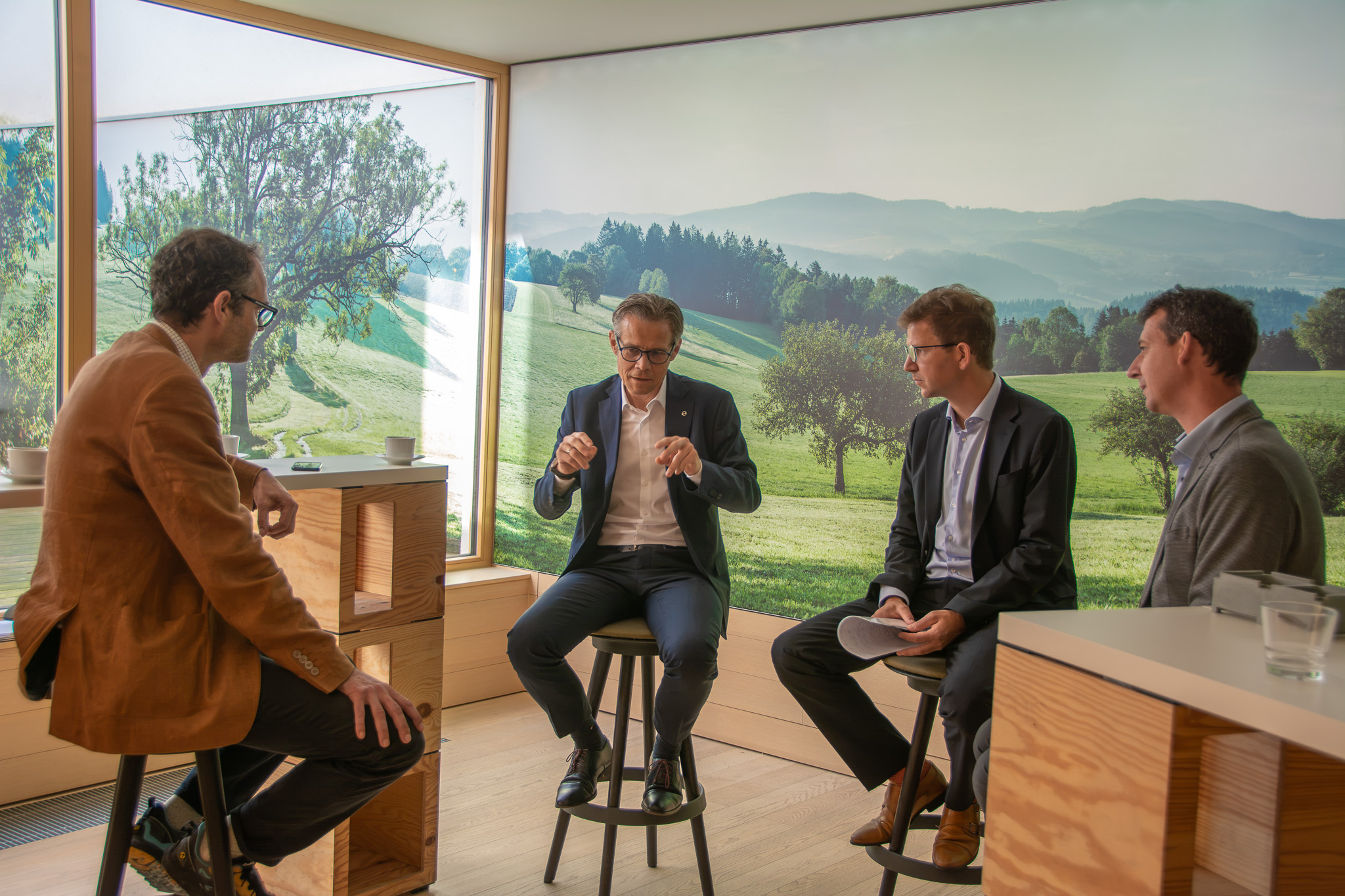
Johannes Kilian, Markus Huber-Lindinger, Georg Krenn and Philipp Lubos discuss the traceability of fluctuations in quality.
“We won’t be able to eliminate the fluctuations, but we can work with them.”
Markus Huber-Lindinger, EREMA
Within machine manufacturing companies and manufacturer platforms, data acquisition is well advanced. Things become more challenging at the horizontal transitions in the value chain. Which information does the washing system need to send to the extruder? Which information does the injection moulding machine need? And how can this data be shared securely? According to Johannes Kilian, there is no widely accepted solution to this problem yet. He distinguishes between vertical platforms within a manufacturer’s or company’s system, and horizontal platforms along the process chain.
The machine manufacturers’ vertical platforms acquire data from their own machines, display process statuses and compress measured values into information on maintenance, performance, and quality. This is necessary because sharing thousands of gigabytes of raw data would be of little practical use. Regarding the horizontal transitions, however, each manufacturer needs to determine which information actually enables the next company to adapt its machine's process.
Simply exchanging all the machine data, unfiltered, would be neither cost-effective nor helpful. Data storage, transmission and analysis all cost money, and large volumes of data do not, in themselves, create any value. What is needed instead are quality criteria that have been clearly expressed, and interfaces that pass on precisely the information that the next process can use. The digital product passport could be used to convey this information. However, it does not answer the question of which data is needed, nor the question of who is authorised to access which information. Johannes Kilian sets out the business requirement very clearly: “Sharing data must create real value for the processor.”
“Sharing data must create real value for the processor.”
Johannes Kilian, ENGEL
Johannes Kilian warns against developing the data chain purely to fulfil regulatory requirements. Fulfilling an obligation only involves initial investment. A viable system also needs to minimise waste, reduce start-up times, reduce claims, increase productivity and make it easier to use recycled materials. In the best-case scenario, the cost of the component will be reduced as a result. Only then is there a technical and commercial advantage that justifies the investment in sensors, data storage, interfaces and maintenance. Otherwise, a well-intentioned solution will weaken competitiveness.
What a first step might look like is demonstrated by the way that Lindner Washtech and EREMA work together. The two companies have developed an interface between the washing system and the extruder. Consequently, process data from the Preconditioning Unit can be used to adjust the washing process to handle fluctuations in quality at an earlier stage. While this example does not yet include an industry-wide data architecture, it illustrates the practical benefits that can be gained from linking neighbouring stages in the process. Georg Krenn describes the standardisation of this kind of interface as a prerequisite for a future strategy that is developed together.
Markus Huber-Lindinger, Managing Director at EREMA, emphasises that a documented origin of recyclates makes it easier for buyers to assess the material properties.
For Markus Huber-Lindinger, machine manufacturers already demonstrate how technical conventions can become established. Where standardised interfaces were previously lacking, OPC UA is now widely applied. He expects that the exchange of quality-related data will go through a similar process of acceptance. This is the only way that AI applications will be able to realise their full potential. However, it will only work as long as providers work together and don't keep developing their own isolated systems.
Huber-Lindinger does not see documented origin and quality-related data as just an additional burden. Proof that a material really does come from a suitable recycling process makes its properties more predictable for the buyer. He expects that traceable recyclates with consistent quality will be able to close the price gap with virgin materials. The reasoning is understandable: reducing uncertainty and guaranteeing a defined output sells not only material, but also process reliability. At the same time, reliable proof could make it more difficult to spread false or misleading information about recycling.
Another factor is the strategic importance of the raw material. Reusing plastics multiple times reduces dependence on primary fossil resources. This advantage can only be realised, however, providing the material is not relegated to less demanding applications after every cycle. To ensure the same level of quality is maintained, composition, ageing, and contamination must still be controllable over multiple cycles. This is precisely why the demand for sharing data is growing.
Georg Krenn also mentions the situation in terms of raw materials in Europe. Crude oil is a finite resource, and Europe is heavily reliant on imports. Reusing materials therefore has strategic value too. In addition, there are legal requirements regarding the proportion of recyclates that have to be used, particularly in the case of plastic packaging. Although these requirements can be met by applications with lower standards, recycling to a defined quality standard is essential for a robust circular economy. Defined standards are needed to prevent downcycling.
Fluctuations in the properties of recycled materials cannot be completely eliminated. A realistic aim is a process that detects deviations and responds to them within a permissible range. That is why ENGEL’s iQ weight control system compares the pressure curve during the injection moulding cycle with a reference curve and adjusts the injection volume to account for changes in viscosity. In future, additional information from the upstream stages could help to prepare such a control system at an earlier stage for specific batches of material. Johannes Kilian describes the iQ weight control system as a key component in ENGEL’s digitalisation strategy.
This shifts the logic of process control. Rather than forcing the material into a rigid process window, the machine should adapt to the material that is actually being fed into it. This is particularly relevant when using recyclates for demanding applications. Paint residues, coatings, and foreign polymers can affect the physical properties; for thin-walled, visible or crash-relevant components, the tolerances are correspondingly narrow. If painted, film-coated, or coated components are recycled, it is essential to know how much of these layers remains in the polymer after processing and which properties are altered as a result. Georg Krenn sums up this shift in perspective as follows: “The process must match the material more closely in order to be able to react to fluctuations in quality.”
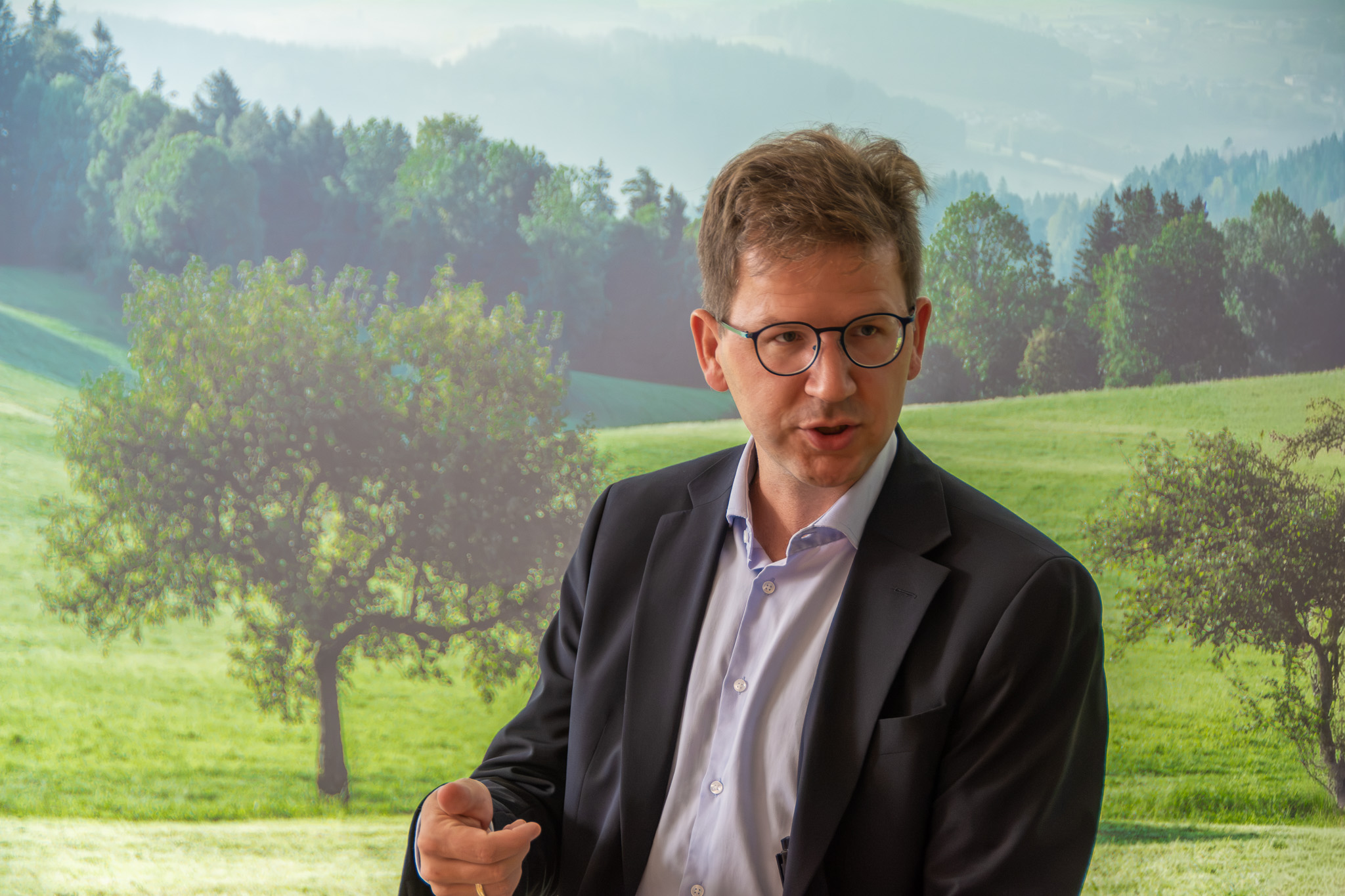
Johannes Kilian von ENGEL describes how process control can adapt to changes in material properties.
“The process must match the material more closely in order to be able to react to fluctuations in quality.”
Georg Krenn, Lindner Washtech
Georg Krenn associates the ability to match the material with digitalisation and AI: the aim is to broaden the process window so that machines can process different material streams to obtain a controlled output. Markus Huber-Lindinger puts it pragmatically: the fluctuations are here to stay, but with better measurements and control systems, it is possible to work with them productively. Some of the machines available today already compensate for fluctuations autonomously. Data from the upstream stages of the process would enable them to respond sooner and more accurately.
From a technical standpoint, not every deviation needs to be removed. This triggered a discussion about the fundamental expectations regarding the surface finish of plastic products. Visible deviations would be more readily accepted if they were built in deliberately and explained.
Markus Huber-Lindinger cites grey PET beverage bottles as an example of changing perceptions. He remembers that while the appearance was initially regarded as a quality fault, consumers grew accustomed to it over time. Among younger consumers who are interested in sustainability, a clear explanation could increase acceptance. Markus Huber-Lindinger emphasises, however, that this depends on the product: expectations regarding the surface finish of a vehicle or a coffee machine are different from those for short life cycle drinks packaging.
Bosch specifies that the casing of their Quigo Green cross-line laser is made from 85 percent recycled material. As Markus Huber-Lindinger explains, in the case of bottles for household cleaning products from a well-known manufacturer, using recyclate flakes from a specific colour fraction made it possible to successfully keep an additional packaging colour within a high-quality plastics recycling loop. This extends recyclability and increases the proportion of high-quality recyclable material streams. He reckons that visible colour variations and tolerances will, in future, remain largely confined to specialised niche applications. Where functionality is concerned, there is absolutely no scope for design flexibility: a bubble can render stretch film unusable, and a structural component in a vehicle that has to perform in a defined way during a crash must meet a strictly defined set of specifications, regardless of its recycling history.
The panel went on to discuss more processing concepts for applications with high surface finish requirements: painting, film lamination, co-injection, and sandwich moulding with recyclates in the core and virgin material on the outside, as well as film insert moulding. This kind of solution can combine the use of recycled materials with high aesthetic standards for component surfaces. These requirements do not come solely from the legislator. OEMs and purchasers set their own quality standards, which the processor must meet.
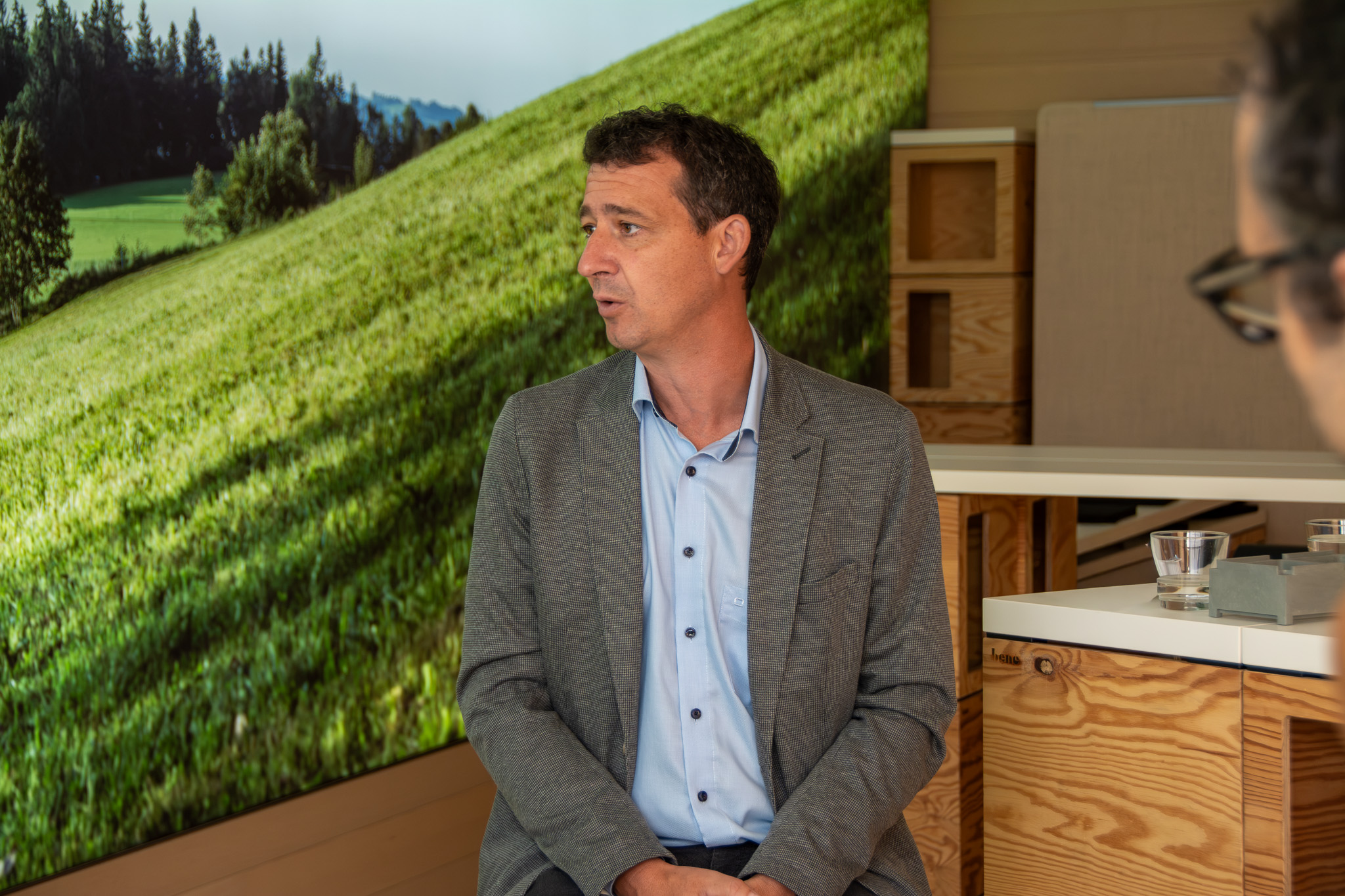
Georg Krenn assesses the limitations and possibilities of using recyclates with fluctuating quality. One of the key questions is, which data parameters describe the properties of the material so that they are useful for the next stage of the process?
For Johannes Kilian, this question is an innovation driver. Products and components are to become thinner, more energy-efficient, and consume less material. Thin-wall injection moulding using rPET is a good example: a greater wall thickness would make processing easier, but would not fulfil the aim of saving material. In his view, solutions to these limitations can only be developed through joint development projects involving material producers , recyclers, machine manufacturers, toolmakers, and processors.
When it comes to AI, I always make a distinction between assistance and autonomy,” says Johannes Kilian. Assistance systems help operators in troubleshooting, diagnosis and decision-making. Autonomous systems, on the other hand, intervene in the process of their own accord. The ENGEL Virtual Assistant EVA, for example, uses commercially available language models together with machine-specific documentation. The distinguishing feature is not the assistant, but the specialist knowledge it uses in a controlled environment.
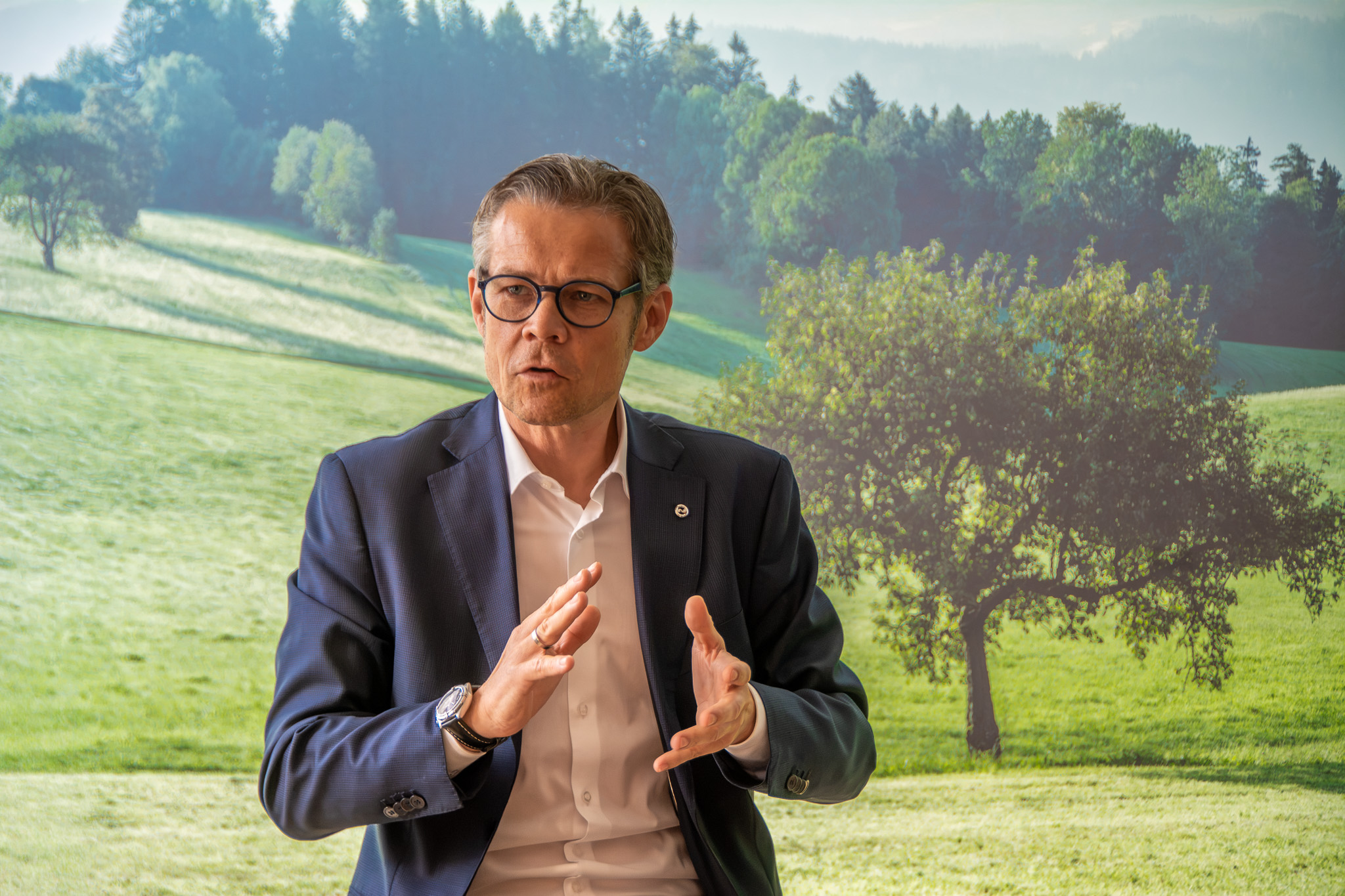
Markus Huber-Lindinger points out that the cost-effectiveness of additional automation depends on the specific benefits to the customer.
For machine manufacturers supplying customers worldwide, there is an additional practical constraint. Markus Huber-Lindinger says that there are customer sites where neither an internet connection nor a power supply are available on a continuous basis. For such situations he can see smaller language models running directly on the machine. They could make selected specialist knowledge available on-site without needing a cloud connection for every enquiry.
Autonomy begins where systems intervene in the process themselves. There are already control systems that are able to handle some tasks. Multiple-stage recycling machines with long reaction times are more challenging: a change at the start of the line may not become apparent until much later. ENGEL already regulates component quality in individual applications; Johannes Kilian cites greater autonomy as the direction of development on the path to ‘zero defects’ with their system inject AI quality control. For Johannes Kilian, predictive models that forecast the status of materials and quality deviations and respond accordingly are a game-changer for production in the future. He sees production sites without personnel as a long-term vision.
“If we had models that could make predictions, that would be a huge advantage.”
Markus Huber-Lindinger, EREMA
Markus Huber-Lindinger compares operating a recycling machine to steering a ship: a considerable amount of time can elapse between taking action and seeing the results. He describes the significance of predictive models as follows: “If we had models that could make predictions, that would be a huge advantage.” A model that forecasts the process status in 30 minutes could take corrective action sooner than an operator who only reacts to a defect once it has been detected. Data-based models can capture more complex relationships than purely fixed-parameter control systems. However, any improvement based on new process data requires careful retraining or recalibration.

During the discussion at EREMA in Ansfelden, the panel of experts agreed that high-quality recyclates are not just produced by high-performance machines, but by an end-to-end data chain that records and shares material properties across all steps in the process and makes them available to the process control system.
Such systems would also provide a solution to the shortage of skilled personnel. The operation and optimisation of sorting, washing, recycling and injection moulding processes require specialist knowledge that is becoming increasingly difficult to find. As process complexity increases, so does the volume of information that needs to be assessed, making operation even more challenging. AI-supported control systems designed for this purpose can compensate for certain fluctuations in real time or provide early warning of developments that an operator would not detect in time. AI does not replace experience, but rather shifts the task: operators must still assess interventions, set limits and take over in situations where the model has reached its limits.
For Markus Huber-Lindinger, whether further automation remains cost-effective depends on the benefits it brings to the customer. There is a point at which additional measurement and control technology becomes disproportionately expensive in relation to the improvement it brings. He does not yet see a fundamental technical limit having been reached: as long as reduced waste, higher productivity and new applications justify the investment, development will continue.
Quality data can provide insights into recipes, process windows and machine management. Anyone who shares their data may be revealing valuable production know-how. Added to this is the risk of manipulated data records. A robust architecture must therefore provide protected access rights, encryption, data integrity and the interchangeability of technical components right from the start. If companies implement their own isolated solutions, then the underlying problem will simply be shifted to the next level.
Georg Krenn describes the loss of such data as a clear business risk, because it means that know-how gained during development could fall into the wrong hands. Markus Huber-Lindinger adds to that the risk of manipulation. Sharing of data does not, therefore, necessarily mean that everyone involved can access all the raw data. Possible options include different levels of access rights, cryptographically secured certificates, and aggregated quality statements, that describe a batch without disclosing the underlying recipe or process control data. The panel agree that industry-wide rules governing data security have yet to be established.
Markus Huber-Lindinger refers to cryptographic strategies, in particular a system made by Software Competence Center Hagenberg (SCCH). It is important that such a system is accepted by the industry. Technically, end-to-end encryption, signed quality certificates, and systems where the recipient gets only an approved dataset, are all feasible. According to the panel, it is still unclear which solution will prevail. Reliable mechanisms for sharing data securely are decisive in this respect.
Reservations towards machine data stored externally have already changed. Markus Huber-Lindinger recalls the debate surrounding EREMA’s BluPort: in 2018, there were still intense discussions about whether a platform should be operated in the cloud or on the customer’s premises. Today, using the cloud is less of a fundamental concern because secure systems have built up trust. The next step is more difficult. When a company runs an on-premises system, it has full control of the platform, but when data is shared with several other companies on the highway, rights and responsibilities must be regulated jointly.
That is precisely what Georg Krenn says is the goal for Nexus. The digital solution, developed jointly by EREMA and Lindner, links the washing line and the extruder to form a fully digital network. The platform is already in use at sites operated by the joint venture partners.
According to Markus Huber-Lindinger, such a system is essential for companies entering the recycling market. At the same time, the mantra ‘People buy from people’ still holds true in the SME sector. Trust between people remains an integral part of business, but it cannot replace technical security.
At the end of the discussion, the panel turn their attention to China. The panel do not believe that European suppliers can lean back and count on having a lasting technological lead. China has long since ceased to be merely an extension of the production line; companies there are now developing their own machines, software and process expertise.
Markus Huber-Lindinger believes that Europe’s strengths lie in the combination of innovative power, practical expertise, service and digital solutions. It is easier to replicate machines than a well-established ecosystem comprising knowledge of materials, process technology, and customer support. This advantage is not guaranteed over the long term, however. Staying in the lead requires a willingness to constantly adapt existing products and business models.
For Georg Krenn, the advantage is clear in the digital coordination between individual process steps, such as between the washing line and the extruder in the Nexus system.
From the panel's standpoint, Austria offers favourable conditions for achieving this. Manufacturers of virgin materials, recyclers, washing and extrusion technology firms, injection moulding machine manufacturers, as well as research organisations, are all located nearby. The way that Lindner and EREMA work together is an example of how interfaces work in practice. Being nearby is no substitute for standards, but it does make it easier to carry out joint trials and shortens the decision-making process. Ultimately, however, the basic economic principles still apply: digitalisation and recycling technology must create a quantifiable benefit for the customer.
The plastics recycling sector is generally not short of data. There are three specific shortcomings: At the moment it is not possible to measure all the relevant material properties during production; the data that is available is only shared to a limited extent across manufacturer boundaries; the downstream process is often still unable to use this data to automatically adjust its process settings. Fluctuations in the raw material are here to stay. They only become more controllable when upstream measured values, batch data, and process optimisation all work together.
For high-quality applications, there is a fourth dimension: proof of origin and quality must be robust enough to guarantee a specific level of quality during production. A product passport can convey information, but it does not create it. It is only as reliable as the measurements carried out and data shared during processing.
The first challenge is that recyclers, machinery manufacturers and processors need to define a finite set of data that is really needed at each interface: Which properties need to be measured? How will they be designated? How long do they remain associated with a batch? Which recipient is authorised to view which data? At the same time, online measurements must be referenced with laboratory values, and predictive models must be tested with real-world fluctuations in material properties. Only then is it possible to calculate at which points the additional investment actually reduces waste, energy consumption, and downtime.
The second challenge is organisational: Data sovereignty, liability, and the protection of operational know-how require rules that are accepted by multiple manufacturers and across various stages of the process. The third challenge relates to what happens on the shop floor. Operators need to understand when they can follow an automated recommendation and when experience is more important than the model.
The next step forward will probably not involve yet another dashboard. The next step will materialise when the downstream machine receives material quality data that reveals what the previous machine has done to the material, and uses this information to make the appropriate process adjustments in good time.
Editor’s note
This article is based on a discussion by a panel of experts moderated by Philipp Lubos. The transcript has been abridged, summarised and rearranged by topic. Key details relating to companies and products have been verified against official information; any additional information is attributed to the members of the panel of experts.
Fact check: ENGEL iQ weight control · ENGEL EVA · EREMA Raman measurement · Lindner/EREMA process interface · Bosch Quigo Green · EU Regulation on Packaging and Packaging Waste
PRESS CONTACT
Julia Krentl
Corporate Communication
EREMA Group
Unterfeldstraße 3
4052 Ansfelden, AUSTRIA
Phone: +43 732 3190 6092
Email: public.relations@erema-group.com

